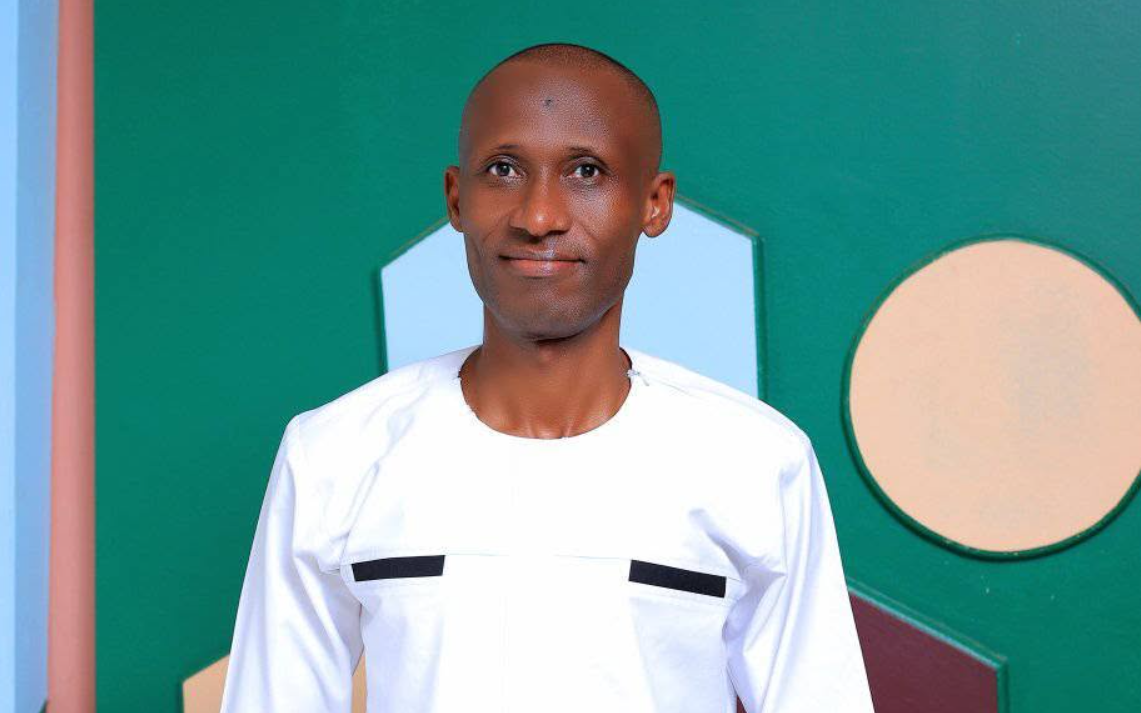
In the ninth part of an exclusive interview with Apostle Reuben Habaasa, hosted by David Okello, the man of God shared deep insights on how believers can identify a true prophet messenger, understand the role of miracles, and develop spiritual discernment in a world filled with many voices claiming to represent God.
Apostle Habaasa began by greeting God’s people and encouraging listeners to receive the message with an open heart, emphasizing the importance of seeking truth and understanding God’s purpose.
A TRUE PROPHET MESSENGER MUST HAVE A CALL, COMMISSION, AND MESSAGE FROM GOD
During the discussion, David Okello asked Apostle Reuben Habaasa how believers can distinguish between a true prophet messenger and a false prophet messenger.
Responding, Apostle Habaasa explained that a true prophet messenger is identified by three important things: a divine call, a God-given commission, and a message from God.
According to him, throughout biblical history, God’s messengers were not people who copied others but individuals chosen and sent with a specific assignment for their generation.
He gave examples of biblical figures such as Moses, Isaiah, Jeremiah, Ezekiel, Apostle Peter, and Apostle Paul, explaining that each carried a unique commission from God.
“A true prophet messenger has a message from God and that message is the truth for his age and commission,” Apostle Habaasa explained.
He added that false prophets often imitate others because they lack a genuine divine calling.
MIRACLES ALONE DO NOT PROVE SOMEONE IS FROM GOD
Addressing the issue of miracles, signs, and wonders that many people associate with prophets today, Apostle Habaasa cautioned believers against using miracles as the only measure of determining whether someone is truly sent by God.
He explained that miracles, prophecies, and wonders alone cannot confirm whether a person is a true prophet messenger because even false prophets can perform signs and wonders.
“You do not know a prophet messenger through his miracles, prophecies, or wonders. You know a true prophet messenger by the righteousness of God upon him,” he said.
The man of God emphasized that the evidence of a true servant of God is the grace of God working through their life, including God’s love, favor, and divine purpose being manifested.

He referenced biblical examples of people who carried messages from God without performing miracles, including Isaiah and Jeremiah.
He also highlighted examples of individuals who performed supernatural acts but were not true servants of God, showing that spiritual discernment is more important than outward displays.
BELIEVERS MUST TEST EVERY SPIRIT
Apostle Habaasa encouraged believers not to accept every message or spiritual claim without examination.
Quoting the importance of spiritual testing, he explained that believers must seek understanding and allow the Holy Spirit to guide them in discerning what is from God.
He noted that everything existing on earth can provide a lesson, whether good or bad, if approached with wisdom and spiritual understanding.
Using biblical examples, Apostle Habaasa explained that even the actions and strategies of Satan recorded in scripture can teach believers about deception and spiritual warfare.
He pointed to the temptation of Jesus in the wilderness, where Satan quoted scripture, emphasizing that knowledge of the Word must be accompanied by spiritual understanding.
SIN IS ALSO A MATTER OF HUMAN CHOICE
In his concluding message, Apostle Reuben Habaasa addressed the issue of sin and personal responsibility.
He explained that while Satan influences and takes advantage of wrongdoing, human beings were created with free will and the ability to choose between good and evil.
According to Apostle Habaasa, actions such as stealing, lying, killing, or committing immorality are decisions made by individuals rather than simply being controlled by Satan.
“Every human being was created with free will, the image of God within you to decide between good and bad,” he explained.
Watch and listen to the full interview to gain deeper understanding on spiritual discernment, God’s calling, and the responsibility of believers in recognizing truth.

Amen, Daddy
SPECIAL MOBILISATION MESSAGE.
To All Home Cell Leaders, Overseers, Pastors, and Wind of Change Ambassadors.
By Apostle Reuben Habaasa – Prophet Messenger of the Most High God and Wind of Change Vision Bearer.
Good morning, good afternoon, or good evening, depending on your time zone.
Greetings in the name of our Lord Jesus Christ.
I take this opportunity to remind every Home Cell Leader, Overseer, Pastor, and Wind of Change Ambassador that the success of God’s work depends greatly on our faithfulness in mobilizing others. Every invitation you extend, every announcement you make, every prayer you offer, and every person you encourage to attend can make a lasting difference in someone’s life.
As we prepare for the launch of the Book of Reuben, NEW JERUSALEM, on 30th July 2026, and the End of July Wind of Change Gathering, I encourage you to use the influence God has entrusted to you. Reach your church members, home cells, communities, friends, families, and networks. Invite them to come and be part of these important occasions.
Remember, your influence determines the turnout. God has placed people within your reach whom you can encourage to attend. Let us work together with unity, excellence, and commitment so that many people may hear God’s Word and be encouraged in their faith.
“Go out quickly into the streets and lanes… and compel them to come in, so that my house will be full.” — Luke 14:23
My Prayer
I pray that the Lord will make each one of you a faithful vessel for this work. May He give you wisdom, favor, strength, and open doors as you mobilize people. May He bless the work of your hands and grant a successful book launch and a fruitful End of July Wind of Change Gathering. May many lives be touched and may God’s name be glorified.
Together, let us mobilize. Together, let us serve. Together, let us make these events a blessing to many.
God bless you all.
SPECIAL INVITATION TO THE LAUNCH OF NEW JERUSALEM
Authored by Apostle Reuben Habaasa
Prophet Messenger of the Most High God and Wind of Change Vision Bearer
Good evening, good morning, or good afternoon, depending on your time zone.
With great joy and gratitude to Jehovah God, I warmly invite you to the official launch of the book NEW JERUSALEM, authored by Apostle Reuben Habaasa, the Prophet Messenger of the Most High God and Wind of Change Vision Bearer.
This special event will take place on 30th July at the Kitwe Town Council Market Place, Ruhama East, Ntungamo District, Uganda – East Africa.
The NEW JERUSALEM book presents biblical teaching and encouragement intended to strengthen believers in their walk with God. This launch will be a time of thanksgiving, fellowship, and sharing the vision behind the book.
Your presence will be a great encouragement, your prayers are highly valued, and those who wish to support the event through financial contributions or other practical assistance are warmly welcome to do so according to their willingness.
“Each of you should give what you have decided in your heart to give, not reluctantly or under compulsion, for God loves a cheerful giver.” — 2 Corinthians 9:7
Let us come together to celebrate this important milestone and support the spread of God’s Word.
Venue
Kitwe Town Council Market Place
Ruhama East, Ntungamo District
Uganda – East Africa
Date
30th July
Plan to attend, invite others, and be part of this memorable occasion. May the Lord richly bless you.
📖 WHO BENEFITS FROM AN OFFERING?
🏛 Christ Lordship Ministries International
Beloved sons and daughters, partners, and friends,
Many people ask, “Who benefits when I give an offering?”
The answer is found in God’s Word.
First, God is honored.
Our offerings are an act of worship, thanksgiving, and obedience to Him.
📖 Proverbs 3:9
“Honor the Lord with your wealth, with the firstfruits of all your crops.”
Second, the work of God benefits.
Offerings help support the ministry, preach the Gospel, care for God’s people, and advance His Kingdom.
📖 Malachi 3:10
“Bring the whole tithe into the storehouse, that there may be food in my house.”
Third, other people are blessed.
Through the ministry, many receive teaching, encouragement, discipleship, and practical help.
Fourth, the giver is blessed.
While we do not give to buy God’s favor, Scripture teaches that God notices faithful and cheerful giving and promises to provide for those who trust Him.
📖 2 Corinthians 9:6–8
“Whoever sows generously will also reap generously… God loves a cheerful giver. And God is able to bless you abundantly…”
The Apostle Paul also encouraged believers by saying:
📖 Philippians 4:17
“Not that I desire your gifts; what I desire is that more be credited to your account.”
This teaches us that faithful giving produces spiritual fruit in the life of the giver as well as supporting God’s work.
🙏 Prayer
I, Apostle Reuben Habaasa, the prophet messenger of the God Most High in this generation, pray that the Lord give you understanding concerning biblical giving. May your offerings always be acts of worship, and may He use them to advance His Kingdom and bless many lives. May He also strengthen you to continue serving Him with a willing and joyful heart.
Remember: When you offer to God, God is honored, His work advances, people are blessed, and the faithful giver shares in the fruit of that Kingdom work.
Be blessed.
📖 TODAY’S BOOK JOURNEY — DAY 1
THE JOURNEY BEGINS: “IS GOD IN THIS?”
Book: COMMISSIONED THROUGH SUFFERING
Author: Apostle Reuben Habaasa
Prophet, Messenger of the God Most High & Vision Bearer of Christ Lordship Ministries International
Why this book?
Every person eventually encounters a season they do not understand.
You may ask:
-“Why am I going through this?”
-“Why has this happened to me?”
-“Has God forgotten me?”
-“Can something good still come from this season?”
The introduction of this book begins with that deeply human question: “Is God in this?” The book presents itself not simply as theological theory, but as a testimony of what Apostle Reuben Habaasa says he experienced through five prison seasons in Uganda, Dubai and Tanzania.
COMMISSIONED THROUGH SUFFERING.
THE AIM OF THE JOURNEY
The purpose is not merely to tell you what happened to the author.
It is to help the reader look at difficult seasons differently:
A difficult season does not necessarily mean that your purpose has ended.
Sometimes a season that appears to be closing your future may become a place where character, faith, wisdom and calling are developed.
The book’s introduction invites readers to enter the story honestly and to allow the testimony to speak to their own difficult seasons. It emphasizes Scripture as the framework through which suffering, purpose and calling are understood.
COMMISSIONED THROUGH SUFFERING.
TODAY’S LESSON
Don’t judge your entire life by one difficult chapter.
You may not understand what is happening today, but that does not mean your story has no purpose.
Instead of asking only:
“Why me?”
begin asking:
“What can God build in me through this season?”
That question can change how you face adversity.
SCRIPTURE TO REFLECT ON
Romans 8:28:
“And we know that all things work together for good to them that love God, to them who are the called according to his purpose.”
ABOUT THE AUTHOR
Apostle Reuben Habaasa is presented in the book as the Prophet, Messenger of the God Most High and Vision Bearer of Christ Lordship Ministries International and New Jerusalem Christian Fellowship Church. The book describes his background as a science education graduate and former teacher of physics and mathematics, and records a ministry journey shaped by difficult experiences and a global commission. �
COMMISSIONED THROUGH SUFFERING.pdf
TODAY’S TAKEAWAY
Your present circumstance is a chapter—not necessarily the conclusion of your story.
📖 Read the book. Reflect on the lesson. Examine your own journey. Then ask: What is God teaching me in this season?
OCTOBER 2, 2026
GOD IS GOING BEFORE YOU
“You do not have to know everything about tomorrow when you know the One who holds tomorrow.”
Beloved, as you continue through this new month, do not allow uncertainty about the future to steal your peace. God is already ahead of you. The road may not be completely visible, but His presence is enough for the next step.
Keep trusting. Keep praying. Keep moving. Do not let fear make you abandon what faith has begun. Every step taken in obedience brings you closer to the purpose God has prepared for you.
I declare: May the Lord order your steps, give you wisdom for every decision, and strengthen you when the journey becomes difficult. May doors aligned with His purpose open before you, and may you have courage to walk through them.
📖 “The LORD himself goes before you and will be with you; he will never leave you nor forsake you. Do not be afraid; do not be discouraged.” — Deuteronomy 31:8
🔥 Walk into today with confidence. God is ahead of you, God is with you, and you are not walking alone!
— Apostle Reuben Habaasa
The Prophet Messenger of the God Most High
LEADERSHIP IS A TRUST, NOT A PERSONAL POSSESSION
A Message from Apostle Reuben Habaasa, the Prophet and Messenger of the God Most High
📖 Key Scripture: 1 Corinthians 4:2
“Moreover it is required in stewards, that a man be found faithful.” — KJV
Leadership begins with an opportunity, but it is sustained by faithfulness. Whether you are a church leader, local government official, state official, business owner, school leader, or community representative, remember that the position you occupy is a responsibility entrusted to you.
You may hold the office, but you do not own the people you lead.
A church congregation is not a personal possession. A public office is not private property. Employees are not instruments for personal enrichment. And influence is not a licence to control others without accountability.
Every position comes with people to serve, decisions to make, challenges to address, and responsibilities to fulfil.
1. TO CHURCH LEADERS: LEADERSHIP IS STEWARDSHIP
📖 John 21:15–17
Jesus instructed Peter to feed His sheep.
The people entrusted to your spiritual leadership need more than powerful sermons. They need biblical teaching, godly examples, discipleship, compassion, correction, and opportunities to grow.
Do not use people merely to build your ministry’s reputation. Build people so they can fulfil their God-given potential and serve others.
The question is not simply how many people are under your leadership, but how faithfully you are caring for those entrusted to you.
2. TO GOVERNMENT LEADERS: PUBLIC OFFICE IS PUBLIC RESPONSIBILITY
📖 Micah 6:8
God calls people to act justly, love mercy, and walk humbly with Him.
Your office gives you an opportunity to improve people’s lives through responsible decisions, fair treatment, transparent administration, and effective public service.
Listen to the voices of citizens. Pay attention to the needs of vulnerable people. Manage public resources responsibly. Welcome constructive feedback and accept accountability.
Never allow the privileges of office to make you forget the purpose of public service.
A leader’s responsibility is not merely to occupy an office, but to fulfil its duties in ways that serve the public good.
3. TO MARKETPLACE LEADERS: SUCCESS MUST CARRY RESPONSIBILITY
📖 Proverbs 11:1
“The LORD detests dishonest scales, but accurate weights find favor with him.” — NIV
Business leaders, employers, entrepreneurs, and professionals have opportunities to influence society through the way they work.
Make honest decisions. Treat workers fairly. Deliver what you promise. Develop other people’s abilities. Create value through your products and services.
Financial success is important to many businesses, but how that success is achieved matters too.
Do not build an organisation that grows financially while losing its integrity. Build one whose growth creates value for people and contributes positively to society.
4. TO EVERY LEADER: WHO WILL YOU BECOME WHILE HOLDING YOUR POSITION?
📖 Luke 16:10
“Whoever can be trusted with very little can also be trusted with much.” — NIV
Leadership is a test of character as much as it is an exercise of authority.
How do you treat people who cannot benefit you? How do you respond when someone challenges your decision? Do you take responsibility for your mistakes? Are you willing to listen and learn?
Your title may open a door, but your character influences what happens after you enter.
Do not pursue promotion while neglecting integrity. Do not seek greater influence while refusing to serve faithfully where you are.
Before asking God for a bigger assignment, ask Him to help you become more faithful with the assignment you already have.
A PERSONAL REFLECTION FOR EVERY LEADER
Today, ask yourself:
Am I treating my position as a trust or as personal property?
Am I developing people or making them dependent on me?
Am I using my authority to solve problems or to protect my comfort?
Am I prepared to be accountable for the decisions I make?
If my position were taken away tomorrow, would my integrity and the good I have done still speak for me?
These are not questions for church leaders alone. They are questions for every person entrusted with influence.
FINAL MESSAGE
Dear leaders, positions change. Titles change. Organisations change. Seasons change. But the responsibility to act with integrity and serve people remains important.
Lead without arrogance. Exercise authority without oppression. Pursue success without dishonesty. Correct people without humiliating them. Listen without feeling threatened. And remember that accountability is not the enemy of leadership; it is part of responsible leadership.
Do not measure your leadership only by what you have acquired through your position. Measure it also by the trust you have honoured, the people you have developed, the problems you have helped solve, and the positive difference you have made.
May God grant every leader wisdom to make sound decisions, humility to serve, courage to act justly, and faithfulness to fulfil their responsibilities.
Lead with integrity. Serve with purpose. Remain accountable. Leave a legacy worth remembering.
— Apostle Reuben Habaasa
The Prophet, Messenger of the God Most High
The Moses of This Age — A Divine Commission for a New Generation